Indirect free kick
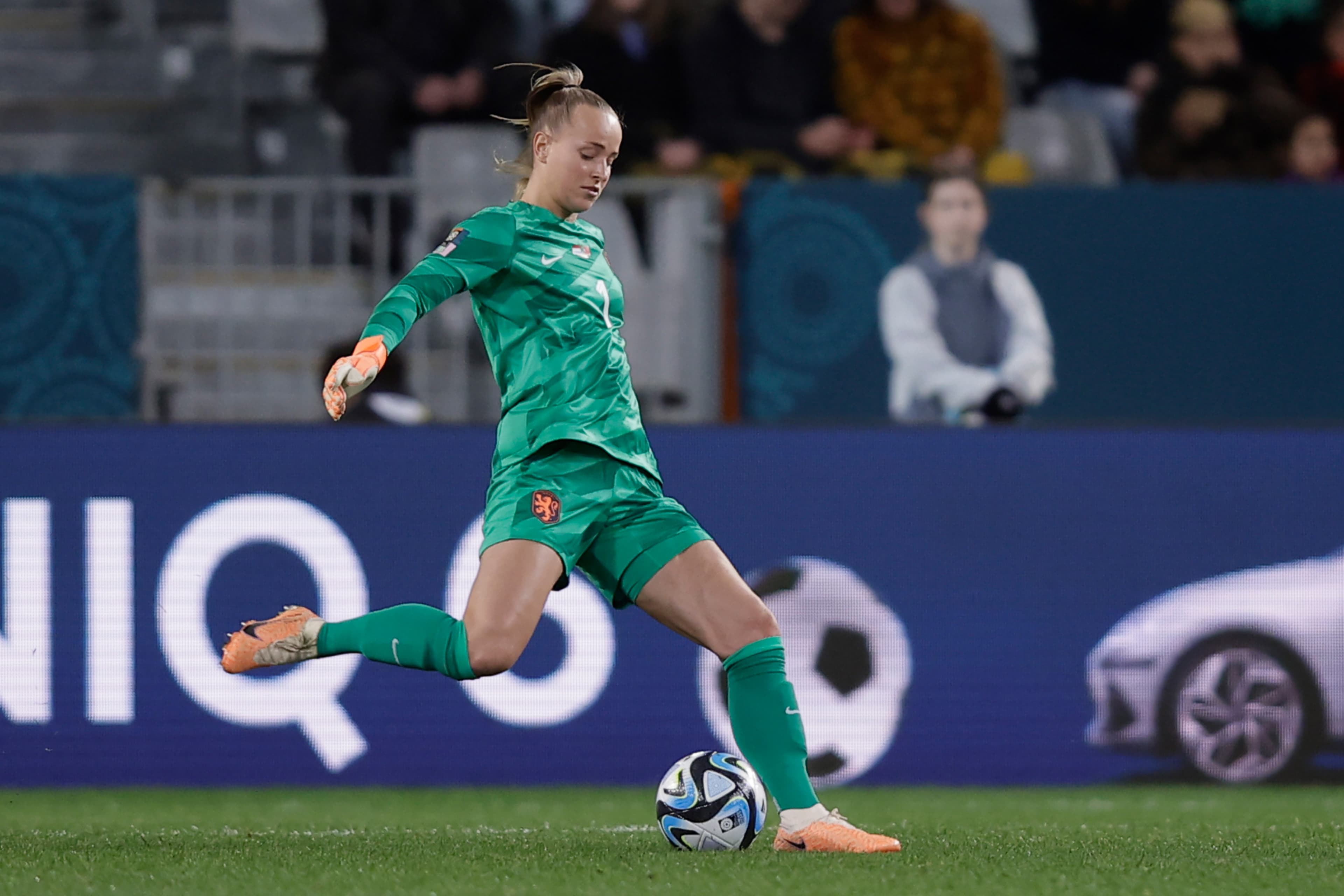
A foul is part of the game. At least, to a certain extent. The slightest foul that a referee can give is an indirect free kick. The player does not get a card for this. There are four types of fouls that a goalkeeper can make that result in an indirect free kick. For example, if he/she holds the ball in his/her hands for more than six seconds. There are also four types of minor fouls that you can commit as a player. For example, if you slightly hinder your opponent in his/ her run.
An indirect free kick
When an indirect free kick?
An indirect free kick is awarded if a goalkeeper commits any of the following offenses within his/her own penalty area:
- He or she holds the ball with his or her hands for more than six seconds before putting it back into play;
- He/she touches the ball with his/her hand or arm, unless the goalkeeper clearly kicked or attempted to kick the ball into play, after:
- it was deliberately kicked at him/her by a fellow player;
- he or she has received it directly from a throw-in by a fellow player.
The referee also awards an indirect free kick to the opposing team if a player commits one of the four following fouls:
- The player slightly hinders an opponent in his/ her run.
- The player commits another foul for which the referee stops the play to warn or send him/her off the field of play.
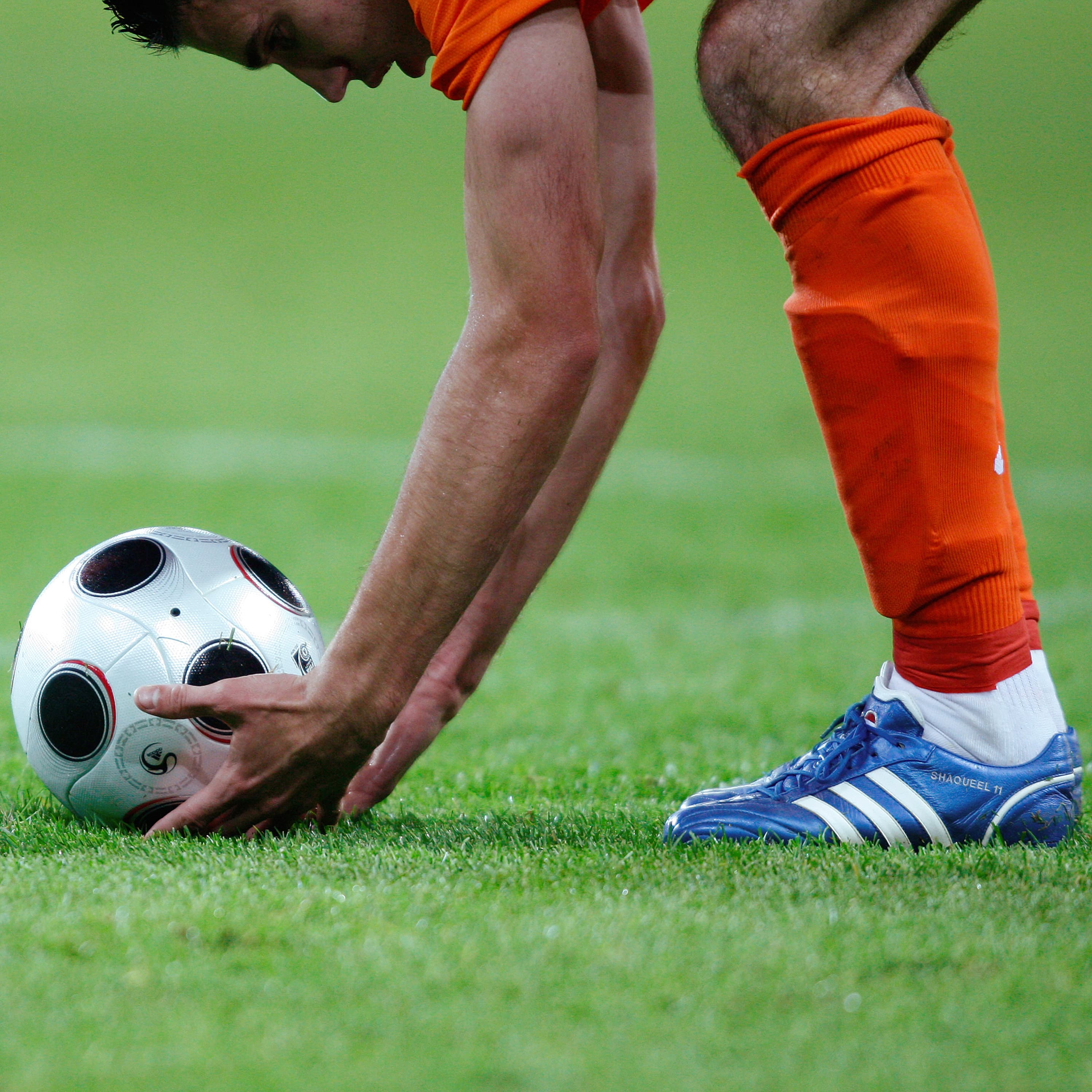
You may not kick the indirect free kick directly into your opponent's goal. Furtmermore, the following rules apply:
- If you kick an indirect free kick directly into the opponent's goal, the referee will award a goal kick.
During an indirect free kick, the referee raises his/her arm above his/her head. He/she must keep his/her arm in that position until the kick has been taken and the ball has touched another player, it out of play or it is clear that a direct goal cannot be scored. An indirect free kick must be retaken if the referee fails to indicate that the kick is indirect and the ball is kicked directly into the goal.
See below for an example of when an indirect free kick is given.
Interfering with the goalkeeper
Take the quiz about an indirect free kick.